Skin Surgeons Edinburgh 0131 376 2744
SKIN SURGEONS Make an enquiry
Patient guide · Edinburgh

Understanding Cysts

Patient guide · Cysts

An educational guide to skin cysts.

Cysts are common skin growths that can appear anywhere on the body. While typically benign, they can become uncomfortable, unsightly, or painful — especially if they become infected or inflamed. This guide explains what cysts are, the main types, their causes and symptoms, and the treatment options available for safe, effective removal.

Looking to book? Visit our cyst removal service in Edinburgh

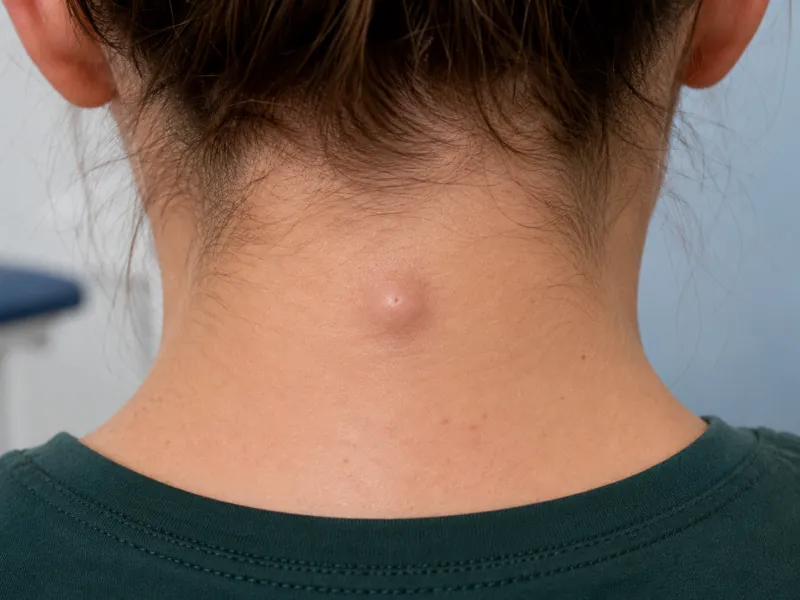
Epidermoid cyst on a patient's neck
The basics

What are cysts?

Cysts are sac-like pockets of tissue filled with fluid, pus, or other material. They can form under the skin or inside the body and vary in size — from small lumps to large, noticeable growths. Most are benign and painless, but some can grow, rupture, or become infected, requiring medical attention.

Read more on skin cysts by the NHS.

Types

Types of cyst

The most common types of skin cyst we see are:

  • Epidermoid cysts: small, slow-growing cysts caused by trapped keratin under the skin — most often on the face, neck, back, and chest.
  • Sebaceous cysts: cysts that form in the sebaceous (oil) glands and are filled with oily material. "Sebaceous cyst" is often used loosely for epidermoid cysts.
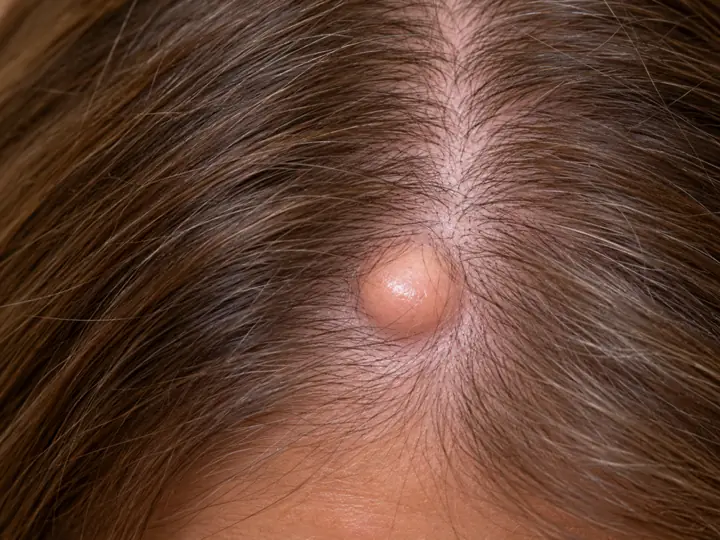
  • Pilar cysts: typically found on the scalp, these develop from hair-follicle cells.
  • Ganglion cysts: fluid-filled cysts near joints or tendons, often on the wrist.

Epidermoid vs sebaceous vs pilar — what's the difference?

The term "sebaceous cyst" is a loose, everyday label rather than a precise diagnosis. Most lumps people call sebaceous cysts are in fact epidermoid cysts, which are lined with skin cells and filled with keratin (not sebum). A true sebaceous cyst forms from an oil gland and contains oily material, but these are much less common. Pilar cysts are a separate type that arise from hair-follicle cells on the scalp. The distinction rarely changes how a cyst is removed, but it explains why your specialist may use a different name than you expected.

Cyst vs lipoma

A cyst is a sac filled with fluid or keratin, whereas a lipoma is a soft, fatty lump that sits under the skin and usually feels smooth and movable. The two are commonly confused — if you're unsure which you have, our lipoma guide explains the differences in more detail.

Causes

Common causes

Cysts can develop for several reasons:

  • Blocked glands or ducts
  • Skin trauma
  • Infections or inflammatory conditions
  • Genetic predisposition

Hormonal factors — such as changes during puberty, pregnancy, or menopause — and a history of acne or skin trauma can also make cysts more likely to form.

Pilar cyst on the scalp
When to seek help

Signs a cyst may need medical attention

While many cysts are harmless, you should seek professional advice if:

  • The cyst becomes painful or tender
  • It shows signs of infection — such as redness, swelling, or pus
  • The cyst grows rapidly or changes in appearance
  • It ruptures, or interferes with daily activities and causes discomfort
  • You are unsure about the nature of the lump
Why remove

Why remove a cyst?

There are several reasons removal may be appropriate:

  • Pain or discomfort: cysts that press on tissues or nerves can cause significant discomfort.
  • Infection: infected cysts may become red, swollen, and filled with pus, requiring drainage or removal.
  • Cosmetic concerns: many people choose to remove visible cysts on the face, neck, or other prominent areas.
  • Preventing complications: large or recurring cysts are more likely to rupture, which can lead to scarring and infection.
Treatment options

Treatment options explained

The right approach depends on the cyst's size, location, and whether it is currently inflamed or infected:

  • Observation: small, symptom-free cysts can simply be monitored for any change.
  • Incision and drainage: releases the cyst's contents to relieve pressure. The sac is not removed, so the cyst often returns — this is not a definitive solution.
  • Surgical excision: the cyst and its complete sac are removed under local anaesthetic. This is the definitive treatment, as removing the whole sac prevents recurrence.
  • Antibiotics: if a cyst is infected, antibiotics may be prescribed to settle the infection first — they do not remove the cyst, so excision is planned once inflammation has resolved.

Private cyst removal starts from £695 — see full pricing and book cyst removal in Edinburgh.

During & after

What to expect during removal

Most cyst removals are straightforward day procedures under local anaesthetic. After assessing the cyst, the area is numbed; the cyst is then drained, excised, or treated according to the plan, and the wound is closed and dressed where needed. Surgical excision typically takes around 30–60 minutes depending on the size and complexity of the cyst.

Good aftercare supports healing: keep the area clean and dry, follow your specialist's dressing instructions, avoid strenuous activity, and watch for signs of infection. For full preparation and recovery guidance, read our what to expect page.

Reassurance

Are cysts cancerous? Is pathology needed?

The large majority of cysts are benign and harmless. In rare cases a lump that looks like a cyst may have unusual features, so a removed cyst is sometimes sent for pathology (laboratory) testing to confirm its benign nature — providing peace of mind and guiding any further treatment if needed.

If a lump is growing rapidly, changing in appearance, ulcerated, bleeding, hard, or fixed to deeper tissue, it should be assessed promptly by a clinician. If in doubt, contact us or your GP. If you're checking a mole or pigmented spot rather than a cyst, our mole guide explains what changes to look out for. You can also read the BAPRAS patient guide to benign skin conditions for further information.

Expertise

Why choose a plastic surgeon for cyst removal

Plastic surgeons are uniquely equipped to deliver the best cosmetic outcome. With advanced training in skin surgery and aesthetics, they can minimise scarring and achieve a more natural-looking result — particularly valuable for cysts on the face, neck, and other visible areas.

At Skin Surgeons Edinburgh, every procedure is carried out by Dr Kazem Nassar, a Consultant Plastic Surgeon on the GMC Specialist Register, at the Waterfront Private Hospital.

Frequently asked

Cyst FAQs

Cyst FAQ

01 What is a cyst?

A cyst is a closed, sac-like structure that can develop anywhere in the body. It's typically filled with fluid, pus, or other material and can form due to blockages, infections, or other causes.

02 What causes cysts?

Cysts often form when a gland becomes blocked, or due to trauma, infection, or underlying conditions. Epidermoid and sebaceous cysts are common types caused by the accumulation of keratin or sebum under the skin.

03 What is a sebaceous cyst?

A sebaceous cyst is a slow-growing, non-cancerous lump under the skin, usually filled with oily material. They typically occur on the face, neck, or torso.

04 How are sebaceous cysts treated?

Treatment options include observation, incision and drainage, surgical excision, and antibiotics for infected cysts. The choice depends on the size, symptoms, and your preference. Excision is the most effective option to completely remove the cyst sac and prevent recurrence.

05 Should I pop a cyst?

No. It is not recommended to pop a cyst as it can lead to infection, scarring, or incomplete removal. Always seek professional medical advice for safe and effective treatment.

06 How can I remove a cyst at home?

While small cysts may sometimes resolve with warm compresses, medical removal is recommended to avoid infection and ensure complete extraction.

07 What does a cyst look like?

A cyst typically appears as a round or oval lump under the skin. It may be firm or soft to the touch and can vary in size. Some cysts have a visible opening or pore.

08 Are certain people more prone to forming cysts?

People with a history of acne, skin trauma, or a genetic predisposition are more likely to develop sebaceous cysts.

09 Can diet or lifestyle influence cyst formation?

While there's no strong evidence linking diet or lifestyle directly to cyst formation, maintaining overall skin health with a balanced diet and good hygiene may be beneficial.

10 What should I do if a cyst becomes infected?

If a cyst becomes red, swollen, painful, or starts draining, it could be infected. Seek medical attention promptly in such cases.

11 Can hormonal changes affect cysts?

Hormonal changes, such as those during puberty, pregnancy, or menopause, can impact sebaceous gland activity and may influence cyst formation.

12 How can I prevent cysts?

While you can't completely prevent sebaceous cysts, good hygiene, avoiding skin trauma, and managing underlying conditions like acne may help reduce the risk.

13 Can cysts be cancerous?

Most cysts are benign and harmless, but in rare cases a cyst may be associated with malignancy. A specialist can assess and confirm its nature through examination or biopsy if necessary.

14 How do I get rid of a cyst?

Cysts can be removed through surgical excision or drained for temporary relief. Surgical removal is the most effective method to prevent recurrence.

15 Do cysts go away on their own?

Some cysts may shrink or resolve on their own over time, but others persist and require medical treatment, especially if they become painful or infected.

16 How long do cysts last?

Cysts can remain for months or years without treatment. Their duration depends on the type, location, and whether they become inflamed or infected.

17 What creates a cyst?

Cysts form when glands or ducts become blocked, or due to infections, trauma, or an accumulation of keratin. Hormonal factors and genetics can also play a role in their development.

18 What are the risks of leaving a cyst untreated?

While most cysts are harmless, untreated cysts can grow larger, become infected, or cause discomfort. In rare cases, complications like rupture or abscess formation can occur.