Skin Surgeons Edinburgh 0131 376 2744
SKIN SURGEONS Make an enquiry
Patient guide · Edinburgh

Understanding Lipomas

Patient guide · Lipomas

An educational guide to lipomas.

A lipoma is a benign (non-cancerous) lump of fatty tissue that grows just beneath the skin. While generally harmless, lipomas can be bothersome because of their size, location, or appearance, and may cause discomfort if they press on nearby structures. This guide explains what lipomas are, their symptoms and causes, and the treatment options for safe, effective removal.

Looking to book? Visit our lipoma removal service in Edinburgh

A lipoma being examined on a patient's arm
The basics

What is a lipoma?

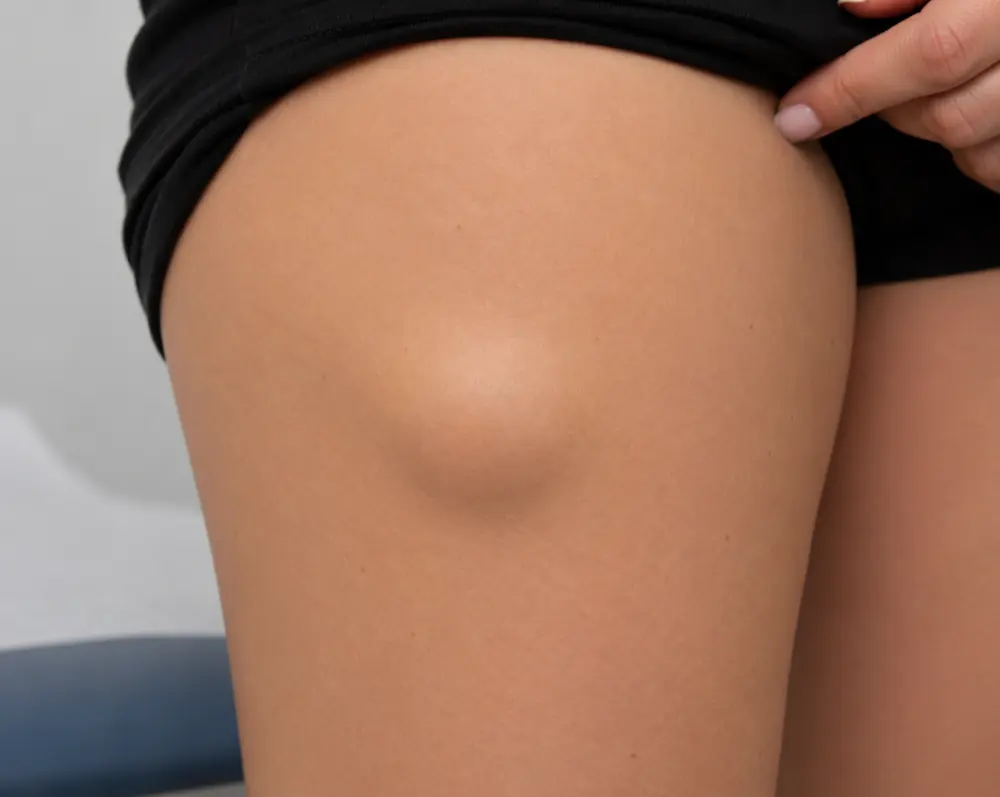
A lipoma is a slow-growing, soft mass made of fatty tissue. These lumps are typically movable and painless, and they are the most common type of benign soft-tissue growth. Lipomas can appear anywhere on the body but are most often found on the neck, shoulders, back, abdomen, arms, or thighs.

  • Lipomas are non-cancerous and rarely need treatment unless they cause symptoms.
  • They are usually round or oval and commonly range from about 2 to 10 cm.
  • They affect roughly 1 in 1,000 people and are more common in middle-aged adults.

Lipoma vs cyst

A lipoma is a soft, fatty lump that usually feels smooth and moves easily under the skin, whereas a cyst is a sac filled with fluid or keratin and often feels firmer. The two are commonly confused — if you're unsure which you have, our cyst guide explains the differences. You can also read more on lipomas by the NHS.

Symptoms & causes

Symptoms of lipomas

Lipomas are usually identified by how they look and feel under the skin:

  • Soft and movable: soft to the touch, and easily moved under the skin when pressed.
  • Painless: most are painless, though they can cause discomfort if they press on nerves.
  • Slow growing: they grow slowly over months or even years.
  • Size and shape: typically oval or round, varying from small lumps to larger masses.

While lipomas are usually harmless, rapid growth or a change in appearance should be assessed by a specialist.

Causes and risk factors

The exact cause is unknown, but several factors may contribute:

  • Genetics: a family history of lipomas increases the likelihood of developing them.
  • Age: lipomas are more common in adults aged 40–60.
  • Certain conditions: rare conditions such as lipomatosis or Madelung's disease are associated with multiple lipomas.
  • Trauma: some lipomas may develop after an injury, although this is less common.
Why remove

Why remove a lipoma?

Although lipomas are benign, removal may be appropriate or desired for several reasons:

  • Cosmetic concerns: lipomas in visible areas can affect confidence or appearance.
  • Discomfort or pain: larger lipomas may press on nerves or cause discomfort due to their size.
  • Restricted movement: lipomas near a joint can limit movement.
  • Reassurance: removal and testing confirm the lump is benign.
Removal options

Lipoma removal options explained

There are several safe, effective ways to remove a lipoma, depending on its size, location, and your preferences:

  • Surgical excision: the lipoma is removed in full under local anaesthetic. This provides complete removal with a low recurrence rate — best suited to large or symptomatic lipomas.
  • Liposuction: a thin tube is used to suction out the fatty tissue. Minimally invasive with smaller scars — suited to softer lipomas in areas where scarring is a concern.

Private lipoma removal starts from £695 — see full pricing and book lipoma removal in Edinburgh.

During & after

What to expect during removal

Lipoma removal is typically a straightforward day procedure under local anaesthetic. After the specialist examines the lipoma — and arranges imaging or a biopsy if needed — the area is cleaned and numbed, the lipoma is removed by excision or another method, and you're given aftercare guidance. Most procedures take less than an hour, depending on the size and complexity of the lipoma.

Aftercare tips

  • Keep the wound clean: gently clean with soap and water as directed.
  • Watch for infection: look out for redness, swelling, or discharge.
  • Protect the area: avoid strenuous activity that may strain the treated site.
  • Follow specialist advice: attend any follow-up appointments as recommended.

Is pathology testing needed?

In some cases the removed lipoma is sent for pathology (laboratory) testing — usually if it has unusual features or has changed in appearance — to confirm it is benign and guide any further treatment. For full preparation and recovery guidance, read our what to expect page.

Expertise

Why choose a plastic surgeon for lipoma removal

You should seek specialist advice if a lipoma is growing rapidly or changing in appearance, causes pain, discomfort, or limits movement, or if you'd simply like confirmation that the lump is benign.

Plastic surgeons are uniquely equipped to deliver the best cosmetic outcome. With advanced training in skin surgery and aesthetics, they can minimise scarring and achieve a more natural-looking result. At Skin Surgeons Edinburgh, every procedure is carried out by Dr Kazem Nassar, a Consultant Plastic Surgeon on the GMC Specialist Register, at the Waterfront Private Hospital.

Frequently asked

Lipoma removal FAQs

Lipoma removal FAQ

01 What is a lipoma?

A lipoma is a non-cancerous growth made up of fatty tissue. These lumps are usually soft to the touch, can be moved slightly under the skin, and are generally painless. They can develop anywhere on the body but are most often found on the torso, neck, upper thighs, arms, and armpits.

02 When should I consider lipoma removal?

Lipomas are usually harmless, but removal may be advisable if one causes discomfort, grows larger, or leads to cosmetic concerns. If there is any uncertainty about whether the lump is a lipoma or something more serious, removal and further analysis may be recommended.

03 What lipoma removal methods are available?

The main options are surgical excision — the most common method, where the lipoma is removed under local anaesthetic — and liposuction, which can suit larger or softer lipomas where a smaller scar is preferred.

04 Can lipomas come back after removal?

Recurrence after removal is uncommon. When a lipoma is surgically excised it is removed completely, which significantly lowers the chance of it returning. New lipomas can still develop in other areas, however.

05 What should I expect during recovery after lipoma removal?

Recovery times vary with the method used. Surgical excision may need a few days of rest, while liposuction often allows a quicker recovery. You'll be given detailed aftercare instructions to support smooth healing.

06 Are there any risks involved with lipoma removal?

As with any surgery, there are some risks, although they are generally minimal — they include infection, bleeding, or scarring. Your surgeon takes all necessary precautions to minimise these risks.

07 How should I prepare for lipoma removal surgery?

You'll have a consultation to discuss the procedure, the risks, and how to prepare. Preparation may include guidance on eating and drinking and any adjustments to your usual medications.