Skin Surgeons Edinburgh 0131 376 2744
SKIN SURGEONS Make an enquiry
Patient guide · Edinburgh

Understanding Skin Tags

Patient guide · Skin tags

An educational guide to skin tags.

Skin tags are small, soft, harmless growths that commonly appear on the neck, armpits, groin, or other areas where the skin folds. Although they are generally benign, many people choose to have them removed for cosmetic reasons or because they cause discomfort. This guide explains what skin tags are, why you might want them removed, and the safest options for effective removal.

Looking to book? Visit our skin tag removal service in Edinburgh

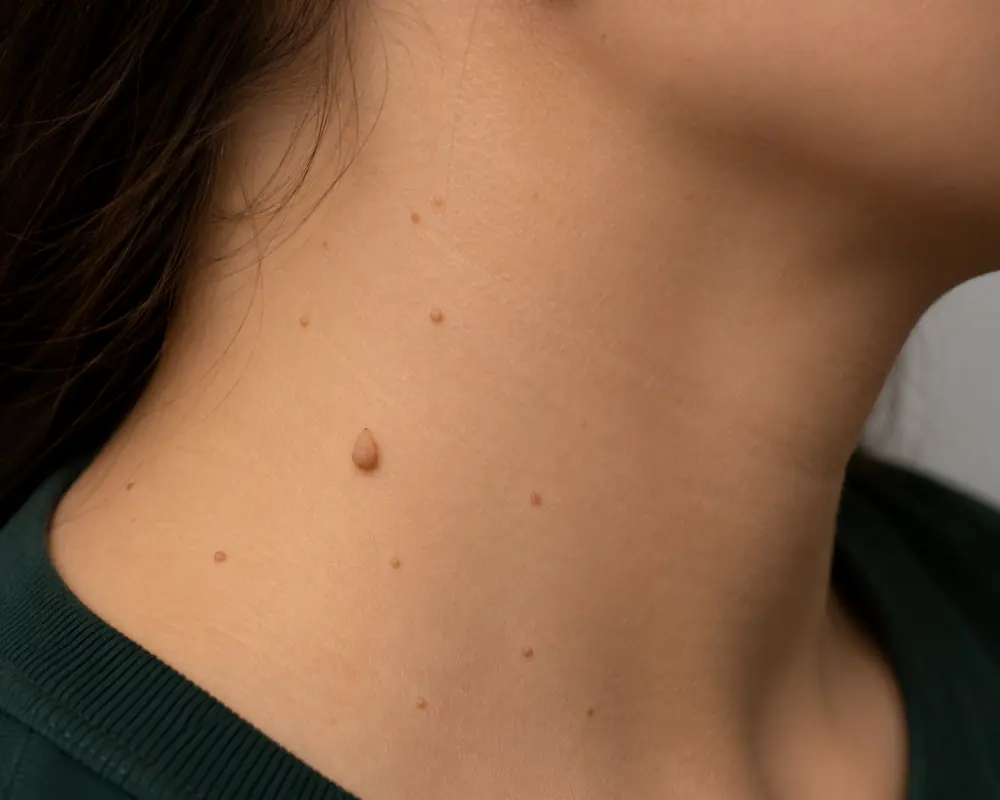
Small skin tags on the side of a person's neck
The basics

What are skin tags?

Skin tags are small, flesh-coloured or slightly darker growths that hang off the skin by a thin stalk. They are made of collagen fibres and blood vessels surrounded by skin, and are typically soft to the touch. They are common in adults, especially with age or weight gain, and — while harmless — can cause discomfort or cosmetic concern.

Common causes

  • Friction from skin rubbing together.
  • Hormonal changes, such as during pregnancy.
  • Genetic predisposition.
  • Obesity or metabolic conditions such as diabetes.

Where they appear

Most often on the neck, armpits, under the breasts, eyelids, and groin. You can also read more on skin tags by the NHS.

When to seek help

Signs a skin tag needs medical attention

While skin tags are typically harmless, a professional assessment is advisable if:

  • Pain or tenderness: the tag is irritated by friction or repeatedly snags on clothing or jewellery.
  • Changes in appearance: it grows, darkens, or changes shape — this should be checked to rule out other conditions.
  • Bleeding or infection: a damaged tag may bleed, become inflamed, or develop an infection.
  • Uncertainty about the growth: a specialist can confirm whether it's a skin tag or another condition needing treatment.

If you notice any of these signs, see a specialist for proper assessment and care.

Why remove

Why remove a skin tag?

Although skin tags are non-cancerous and pose no medical risk, many people choose to remove them for the following reasons:

  • Cosmetic concerns: tags on visible areas like the neck or face can affect self-confidence.
  • Physical discomfort: tags in high-friction areas can snag on clothing or jewellery and become irritated.
  • Preventing infection: a damaged or inflamed tag can become infected if left untreated.
  • Peace of mind: removal provides reassurance, especially if there's any uncertainty about the growth.
Treatment options

Skin tag treatment options explained

Professional removal is the safest, most effective way to remove a skin tag, with minimal risk of scarring or complications. The most common options are:

  • Cryotherapy: the tag is frozen off. Quick, non-invasive, and effective for most tags — best for small to medium-sized ones.
  • Surgical excision: the tag is removed with a scalpel. Immediate results with minimal scarring — suited to large or stubborn tags, or those in sensitive areas.
  • Cauterisation: the tag is removed using heat. Precise and quick, with a reduced risk of bleeding — suited to medium-sized tags.

Private skin tag removal starts from £395 — see full pricing and book skin tag removal in Edinburgh.

During & after

What to expect during removal

Skin tag removal is usually a quick, straightforward procedure. Your specialist assesses the tag and recommends the best method; the area is cleaned and a local anaesthetic may be applied for comfort; the tag is removed using the agreed technique (excision, cryotherapy, or cauterisation); and you're given aftercare guidance. The procedure usually takes less than 30 minutes.

Aftercare tips

  • Keep the area clean: wash gently with soap and water once any dressings are removed.
  • Don't pick or scratch: let the treated area heal naturally.
  • Apply antiseptic ointment: if advised, to help prevent infection.
  • Protect from sun: use sunscreen on exposed areas to avoid pigmentation changes.
  • Watch for infection: contact your specialist if you notice redness, swelling, or discharge.

Is pathology testing needed?

Pathology testing is usually unnecessary for skin tags as they are benign. Your specialist may recommend it only if the growth has unusual features, changes in appearance, or there's any uncertainty about the diagnosis. For full preparation and recovery guidance, read our what to expect page.

Expertise

Why choose a plastic surgeon for skin tag removal

Seek professional advice if a skin tag is painful, tender, or frequently irritated, changes in size, colour, or texture, sits in a sensitive area such as near the eyes or genitals, or if you're unsure whether the growth is a skin tag at all — and whenever you want safe removal without risk of scarring or infection.

Plastic surgeons are uniquely equipped to deliver the best cosmetic outcome. With advanced training in skin surgery and aesthetics, they can minimise scarring and achieve a more natural-looking result. At Skin Surgeons Edinburgh, every procedure is carried out by Dr Kazem Nassar, a Consultant Plastic Surgeon on the GMC Specialist Register, at the Waterfront Private Hospital.

Frequently asked

Skin tag removal FAQs

Skin tag removal FAQ

01 What is skin tag removal?

Skin tag removal is a procedure to remove the small, benign growths that often appear where skin rubs against skin or clothing. We offer safe, effective options including surgical excision and cryotherapy.

02 How do I know if I need my skin tag removed?

If a skin tag causes discomfort or irritation, or you're unhappy with its appearance, it's worth a consultation. Removal may be recommended for cosmetic reasons or if a tag keeps snagging on clothing or jewellery, which can cause pain or bleeding.

03 Can removing a skin tag lead to infection or complications?

When performed by a qualified professional, skin tag removal is safe and carries minimal risk. We follow strict hygiene standards to prevent infection and provide thorough aftercare instructions to support healing.

04 How can I prevent skin tags forming in the future?

Skin tags are hard to prevent entirely because of factors like genetics and friction, but maintaining a healthy weight, managing conditions such as diabetes, and reducing skin friction may lower how often they occur. We can give personalised advice based on your health profile.

05 Are there any natural remedies for skin tag removal?

Various home remedies are suggested online, but we recommend professional removal to avoid risks such as scarring and infection. We focus on evidence-based treatments to keep removal safe and effective.

06 How long does the skin tag removal process take?

It depends on the method and the number of tags. Cryotherapy is typically very quick, often just minutes, while surgical removal may take a little longer, especially when a local anaesthetic is used.

07 What should I expect during the recovery period?

Recovery varies by method. Minor procedures like cryotherapy generally need no downtime, whereas surgical removal may need a few days of simple care. We provide detailed aftercare instructions, including how to clean the area and what signs of infection to watch for.

08 How can I schedule a consultation for skin tag removal?

Submit an enquiry and we'll respond within 24 hours. We aim to provide a smooth, safe experience from consultation through to recovery.