Skin Surgeons Edinburgh 0131 376 2744
SKIN SURGEONS Make an enquiry
Consultant-Led · Edinburgh

Expert Xanthelasma Removal in Edinburgh

Private xanthelasma removal · Edinburgh

Consultant-led xanthelasma removal at Waterfront Private Hospital.

Private xanthelasma removal in Edinburgh, performed by Dr Kazem Nassar, a consultant plastic surgeon on the GMC Specialist Register. Safe, precise removal of eyelid cholesterol deposits, focused on the best cosmetic outcome with minimal scarring.

No GP referral is required — you can self-refer directly. Your consultation is followed by a short cooling-off period to consider your options before the procedure.
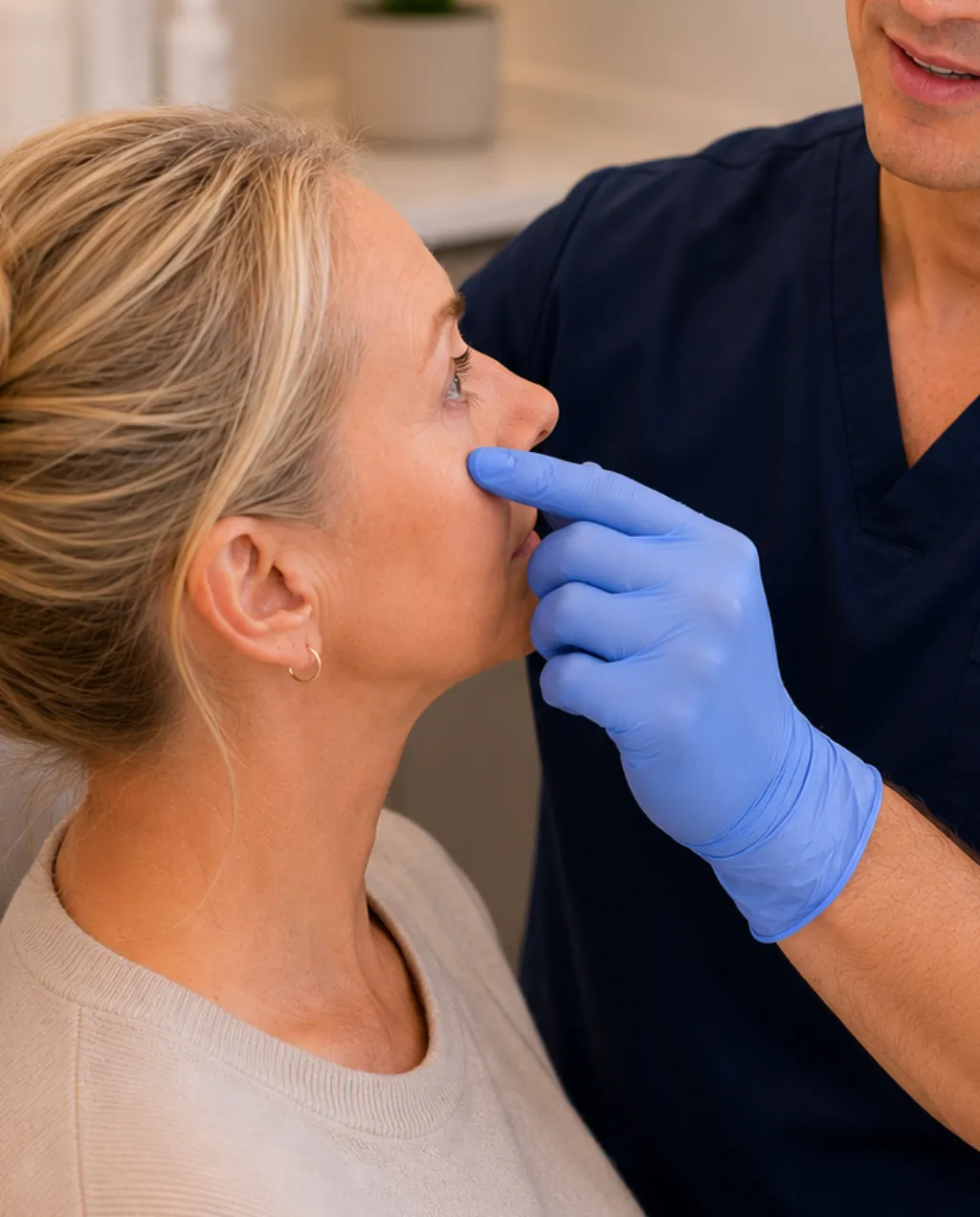
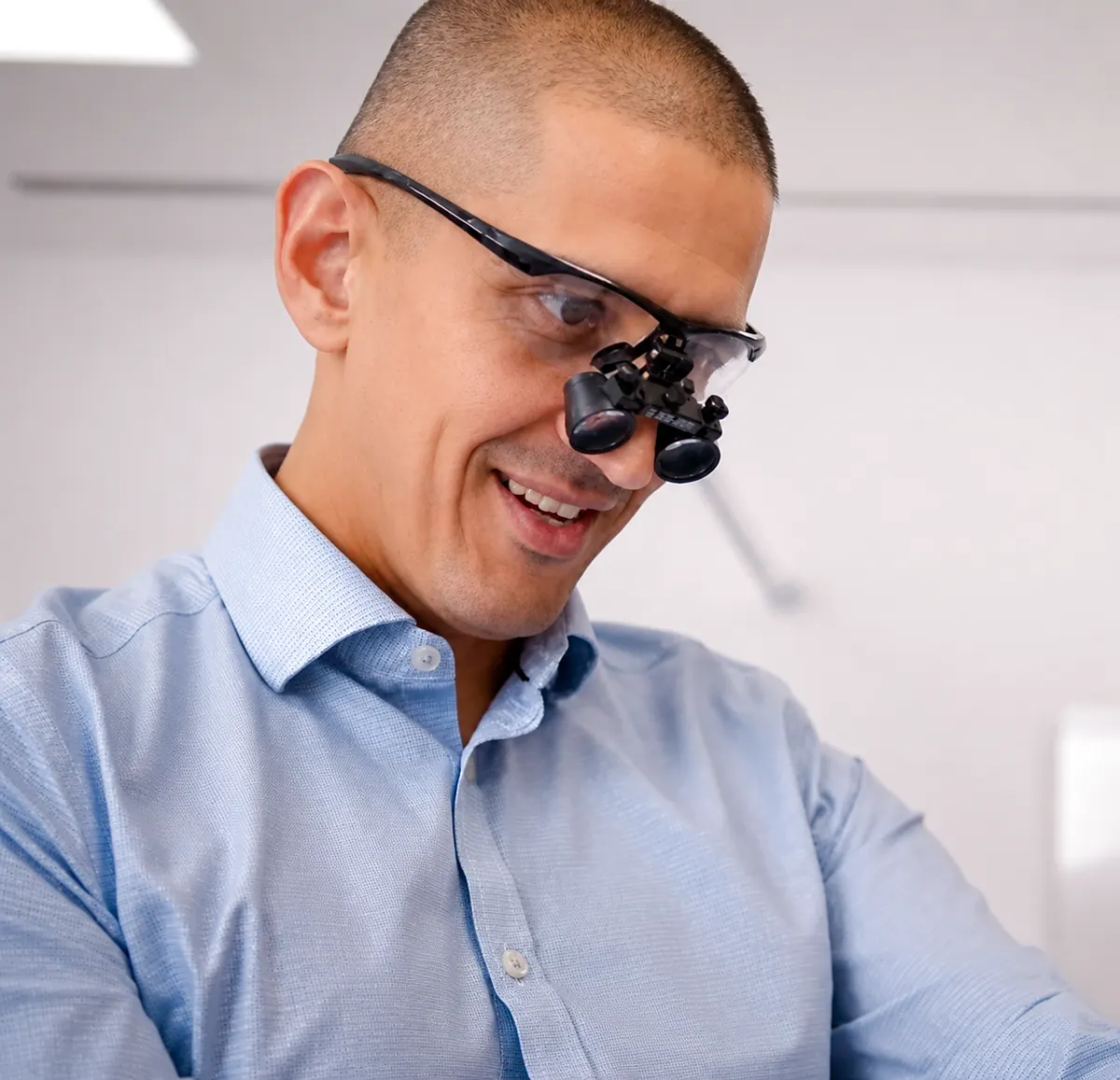
Consultant assessing xanthelasma plaques around the eyes at Skin Surgeons Edinburgh
Patient reviews on Google

What patients say.

About this service

About Xanthelasma Removal

Xanthelasma are yellowish cholesterol deposits that develop around the eyes, often appearing as soft, flat plaques on the upper or lower eyelids. While harmless, they can grow over time and become a cosmetic concern. They are often linked to high cholesterol levels, but can also develop in people with normal cholesterol.

We offer safe and precise removal of xanthelasma, with a focus on achieving the best cosmetic outcome while ensuring minimal scarring. During your consultation, your consultant plastic surgeon will assess the plaques and recommend the most effective and safe treatment option.

Because the eyelid area is delicate, your consultation is followed by a short cooling-off period — time to consider your options before your procedure is booked.

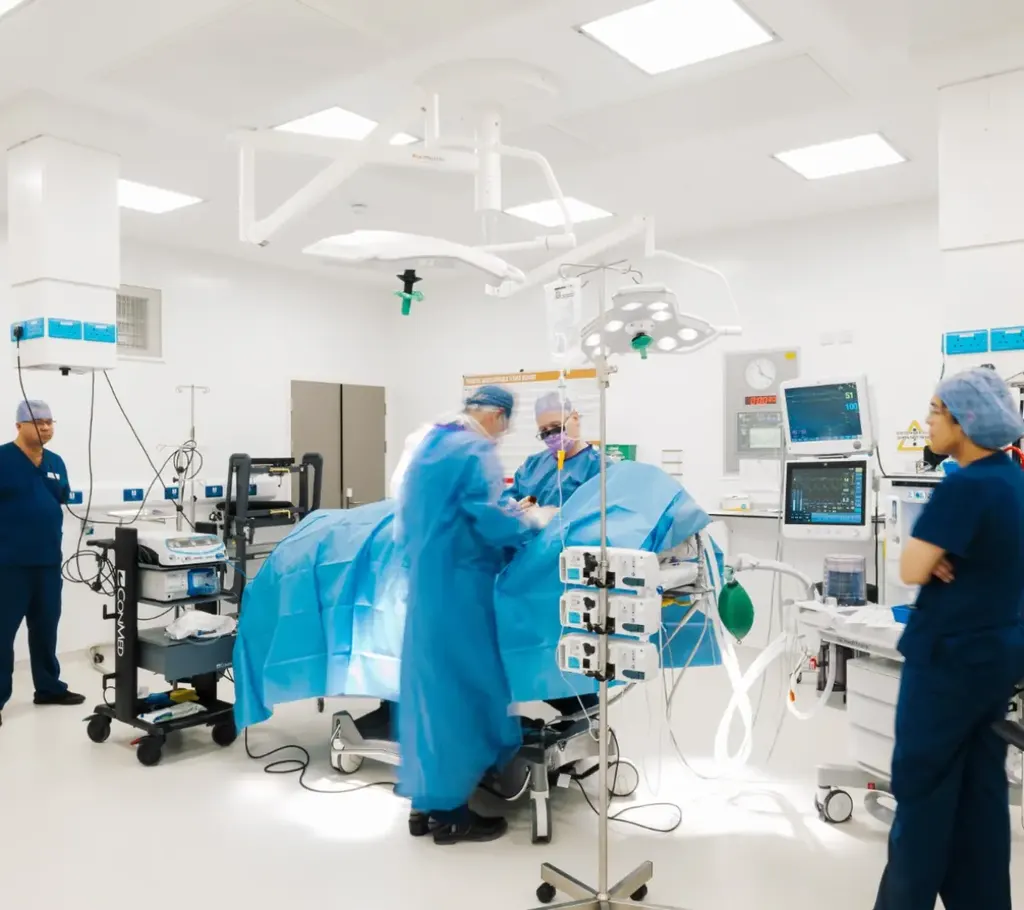
Consultant performing a dermatological skin procedure at Waterfront Private Hospital
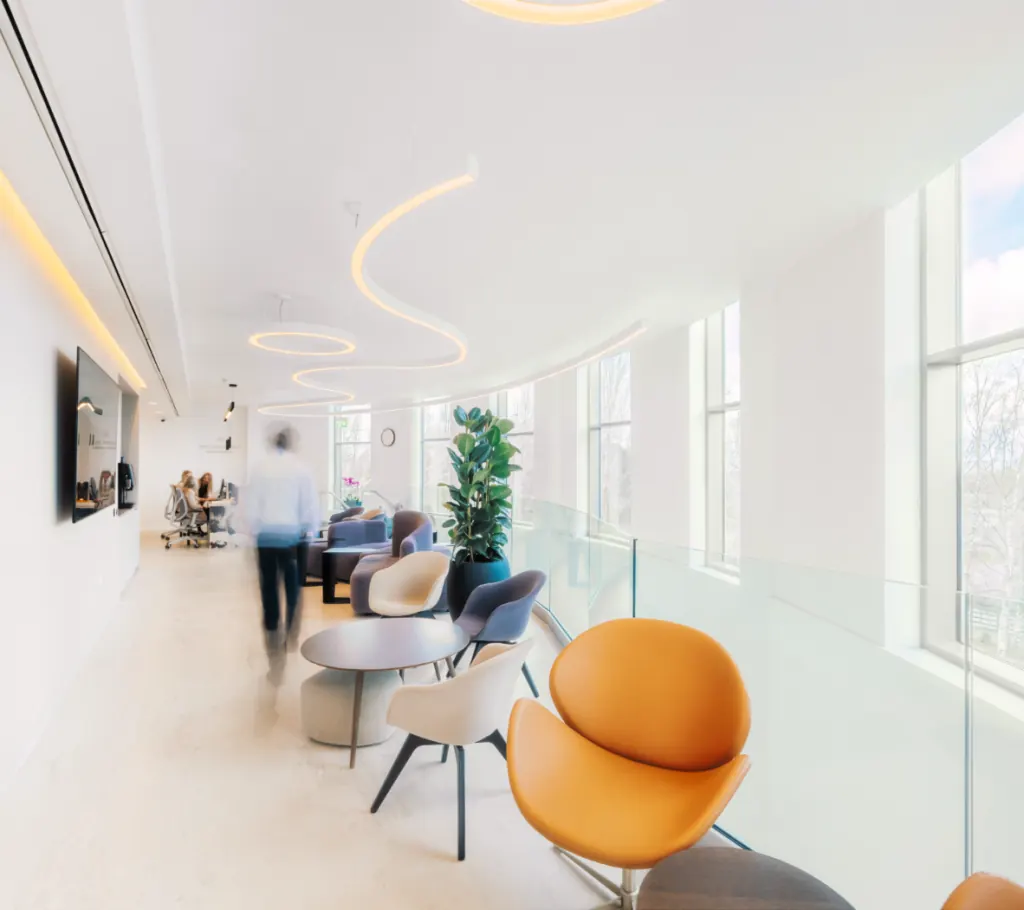
The dermatological surgical suite at Waterfront Private Hospital, Edinburgh
Your journey

Treatment Journey

01
Make an enquiry Tell us about your xanthelasma using our online form. No GP referral required. We'll reply with guide pricing within one working day.
02
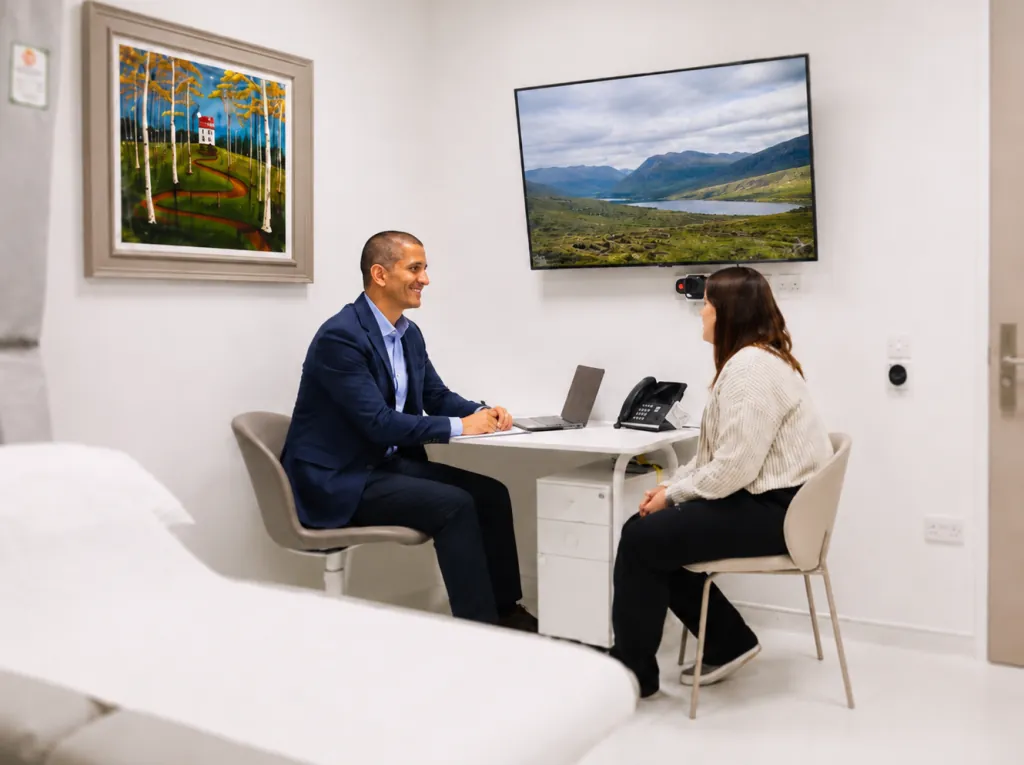
Consultation Your consultant plastic surgeon assesses the plaques at Waterfront Private Hospital, Edinburgh, and recommends full or partial excision.
03
Cooling-off period, then procedure A short cooling-off period follows your consultation, giving you time to consider your options. Your procedure is then booked as a second visit.
04
Recovery and aftercare Aftercare instructions provided. The area typically heals within 1–2 weeks; mild swelling or redness settles quickly.
On the day

What to Expect

Xanthelasma removal is a planned two-visit pathway.

01
Anaesthetic: Local The eyelid area is numbed — the procedure should be painless.
02
Duration: 30–45 Minutes Depending on the extent of removal.
03
Appointments: Two Visits Consultation followed by a cooling-off period to consider options prior to your procedure.

The procedure. Local anaesthetic is injected around the eyelid area. With full excision, the lesion is completely removed and the wound closed directly — suitable for smaller lesions where tension won't distort the eyelid. With partial excision, most of the lesion is removed while preserving tissue to minimise tension on the eyelid.

Healing & risks

Recovery, Risks & Scarring

Most patients experience minimal downtime, with the area healing within 1–2 weeks. Some mild swelling or redness is normal but settles quickly. Recovery generally allows a quick return to normal activity.

As with any surgical procedure, a small scar may be present, but our techniques focus on minimising scarring for the best cosmetic outcome. There is a chance of recurrence, especially if underlying cholesterol levels remain high. With partial excision, some residual tissue may remain.

See our patient information page for full aftercare guidance, and the BAPRAS patient guide to benign skin conditions.

Treatment methods

Xanthelasma Treatment Options

Surgical excision is the gold standard for precise removal with minimal scarring. Other treatments, such as laser therapy or chemical treatments, may be less effective and carry a higher risk of recurrence or pigmentation change. Your exact price is always confirmed before treatment begins.

Full excision. Completely removes the lesion and closes the wound directly — suitable for smaller lesions where tension won't distort the eyelid.

Partial excision. Removes most of the lesion while preserving tissue to minimise tension, reducing the risk of eyelid pulling — but may leave some residual tissue.

Nurse at the Waterfront Private Hospital, Edinburgh
Guide pricing

Xanthelasma Removal Pricing

Guide prices for private xanthelasma removal at Waterfront Private Hospital, Edinburgh. Final pricing depends on the extent, location, and complexity. Your exact price is always confirmed before treatment begins. See our full pricing page.

Specialist Consultation

£125

  • Consultant Plastic Surgeon
  • Comprehensive assessment
  • Discuss options
  • Treatment on same day

Xanthelasma

from £995

  • Consultant Plastic Surgeon
  • Inclusive Aftercare
  • Pathology £130 if required
Why choose us

Why Choose Skin Surgeons Edinburgh

Specialist Expertise

Consultant Plastic Surgeon on the GMC Specialist Register, with expertise in skin cancer, reconstruction and cosmetic excellence.

Premier Edinburgh Hospital

Care delivered at the Waterfront Private Hospital — Trustpilot 5-star-rated — with comfort, discretion and easy parking.

Quick Access to Treatment

No GP referral is required — you can self-refer directly. Consultation is followed by a short cooling-off period, giving you time to consider your options before the procedure.
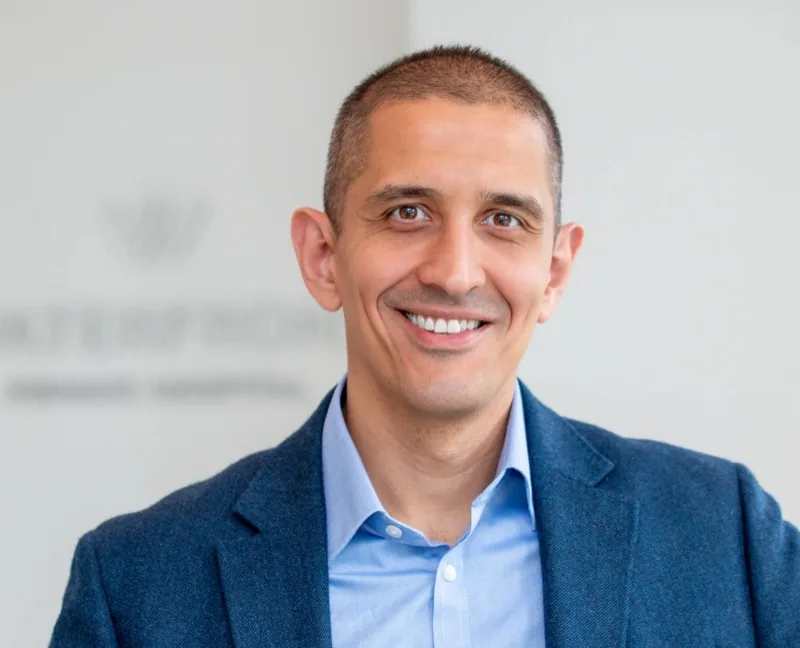
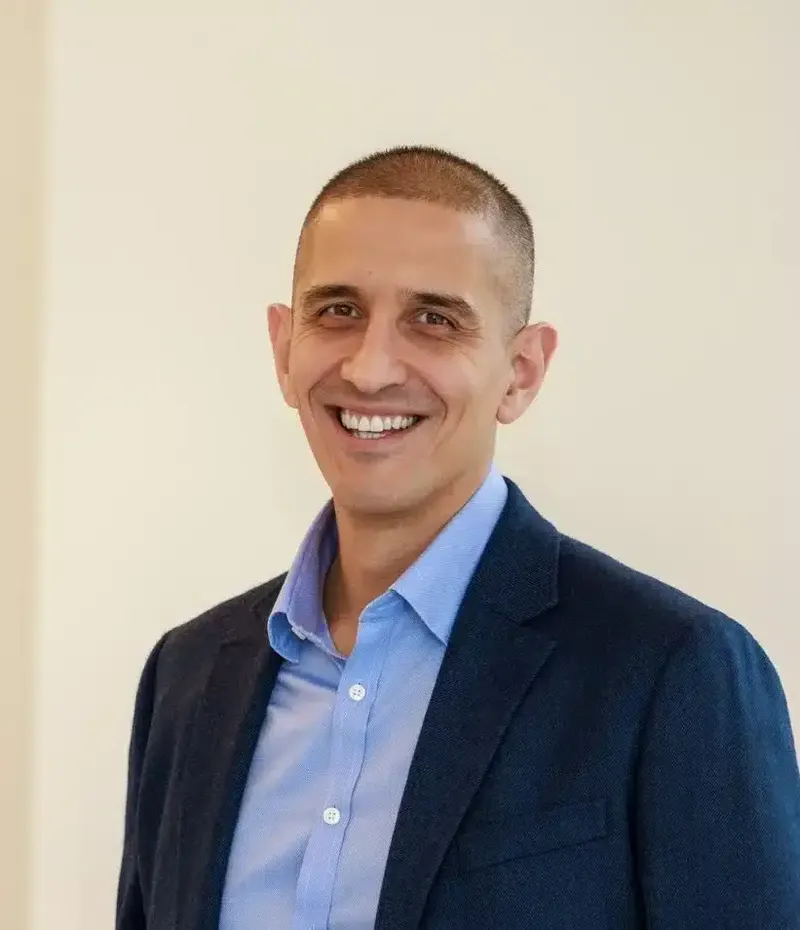
Dr Kazem Nassar, Consultant Plastic Surgeon at Skin Surgeons Edinburgh
Your consultant

Dr Kazem Nassar
Consultant Plastic Surgeon.

Dr Kazem Nassar is a Consultant Plastic Surgeon on the GMC Specialist Register with extensive experience in skin lesion excision, skin cancer surgery, and cosmetic closure. The same consultant assesses and treats — all procedures at Waterfront Private Hospital, Edinburgh EH5 1SD. Post-operative wound care and suture removal are carried out by the Waterfront nursing team; Dr Nassar sees patients for clinical follow-up where required.

Credentials. MBChB, FRCS (Plast).

Membership. GMC Specialist Register · 10+ years' plastic surgery experience.

British Association of Plastic, Reconstructive and Aesthetic Surgeons (BAPRAS) member logo
Frequently asked

Xanthelasma Removal FAQs

Xanthelasma FAQ

01 What is xanthelasma?

Xanthelasma are yellowish cholesterol deposits that develop around the upper or lower eyelids. They are benign but can grow over time and may become a cosmetic concern.

02 What causes xanthelasma?

Xanthelasma is often linked to high cholesterol levels, but it can also develop in people with normal cholesterol. Other risk factors include genetics, liver disease, and metabolic conditions.

03 Does xanthelasma need to be removed?

Removal is not medically necessary, but many patients choose to have them removed for cosmetic reasons or if they grow larger and affect the natural eyelid contour.

04 What are the treatment options?

We offer surgical excision, which provides precise removal with minimal scarring. This is the gold standard for achieving the best cosmetic outcome. Other treatments, such as laser therapy or chemical treatments, may be less effective and carry a higher risk of recurrence or pigmentation change.

05 Will xanthelasma come back after removal?

There is a chance of recurrence, especially if underlying cholesterol levels remain high.

06 Is xanthelasma removal painful?

No, the procedure is performed under local anaesthetic, ensuring complete comfort during treatment.

07 How long does recovery take?

Most patients experience minimal downtime, with the area healing within 1–2 weeks. Some mild swelling or redness is normal but settles quickly.

08 Will there be a scar?

As with any surgical procedure, a small scar may be present, but our expert techniques focus on minimising scarring for the best cosmetic outcome.

09 Do I need a GP referral?

No, you can self-refer directly for a consultation and treatment.

10 How much does xanthelasma removal cost?

A specialist consultation is £125, and removal starts from £995 depending on the extent, location, and complexity. Your exact price is always confirmed before treatment begins.

Get in touch

Make an enquiry.

Phone, email, or use the form — we respond within one working day. No GP referral required.

Hospital
Waterfront Private Hospital
1 Waterfront Park
Edinburgh EH5 1SD
Hours
Mon–Fri · 08:00–17:00
Access
Step-free entry · Free patient parking
Getting here

Find Us in Edinburgh

Waterfront Private Hospital, 1 Waterfront Park, Edinburgh EH5 1SD. Free patient parking on site. Open one section below for the journey that suits you.

01 Driving & satnav — Satnav postcode EH5 1SD · 5 min from Crewe Toll roundabout

From Waterfront Broadway, turn left at the traffic lights onto Waterfront Park. Pass the hospital on your left, then take the first left — the car park is immediately on your left. Walk through the car park, exit via the metal gate and follow the path round to the hospital entrance.

02 Parking — Free patient parking on site · 3-hr free at Morrisons next door

Free parking is available in the private car park at the rear of the hospital. There is also free 3-hour parking at the Morrisons supermarket a few minutes' walk away. Step-free access to reception.

03 Bus — Lothian routes 8, 9, 16, 19, 22, 24, 38, X37

The hospital is served by Lothian Buses routes 8, 9, 16, 19, 22, 24, 38 and X37, with stops on Waterfront Avenue and Waterfront Broadway a short walk from reception.

04 Train — Nearest mainline: Haymarket (~15 min by car or taxi)

The nearest major rail station is Haymarket, approximately 15 minutes away by car or taxi. From Haymarket you can connect to the hospital by bus or by tram and short transfer.

05 Tram — Edinburgh Trams · alight Ocean Terminal, then short transfer

The Edinburgh Trams route to Newhaven includes a stop at Ocean Terminal, a short bus or taxi ride from the hospital.

06 From the city centre — 20–25 min by bus from Waverley · St Andrew Square · Bus Station

Approximately 20–25 minutes by bus from central Edinburgh, including Waverley Station, St Andrew Square and the Edinburgh Bus Station.