Skin Surgeons Edinburgh 0131 376 2744
SKIN SURGEONS Make an Enquiry
Patient guide · Mole removal

Mole Guide.

Overview

Moles are common skin growths that can vary in size, shape, and colour. While many are harmless, you might want to have them removed for cosmetic reasons, comfort, or medical concerns. This guide explains everything you need to know about mole removal, including types of moles, professional treatment options, costs, and aftercare tips.

Looking to book mole removal? Visit our mole removal service page.

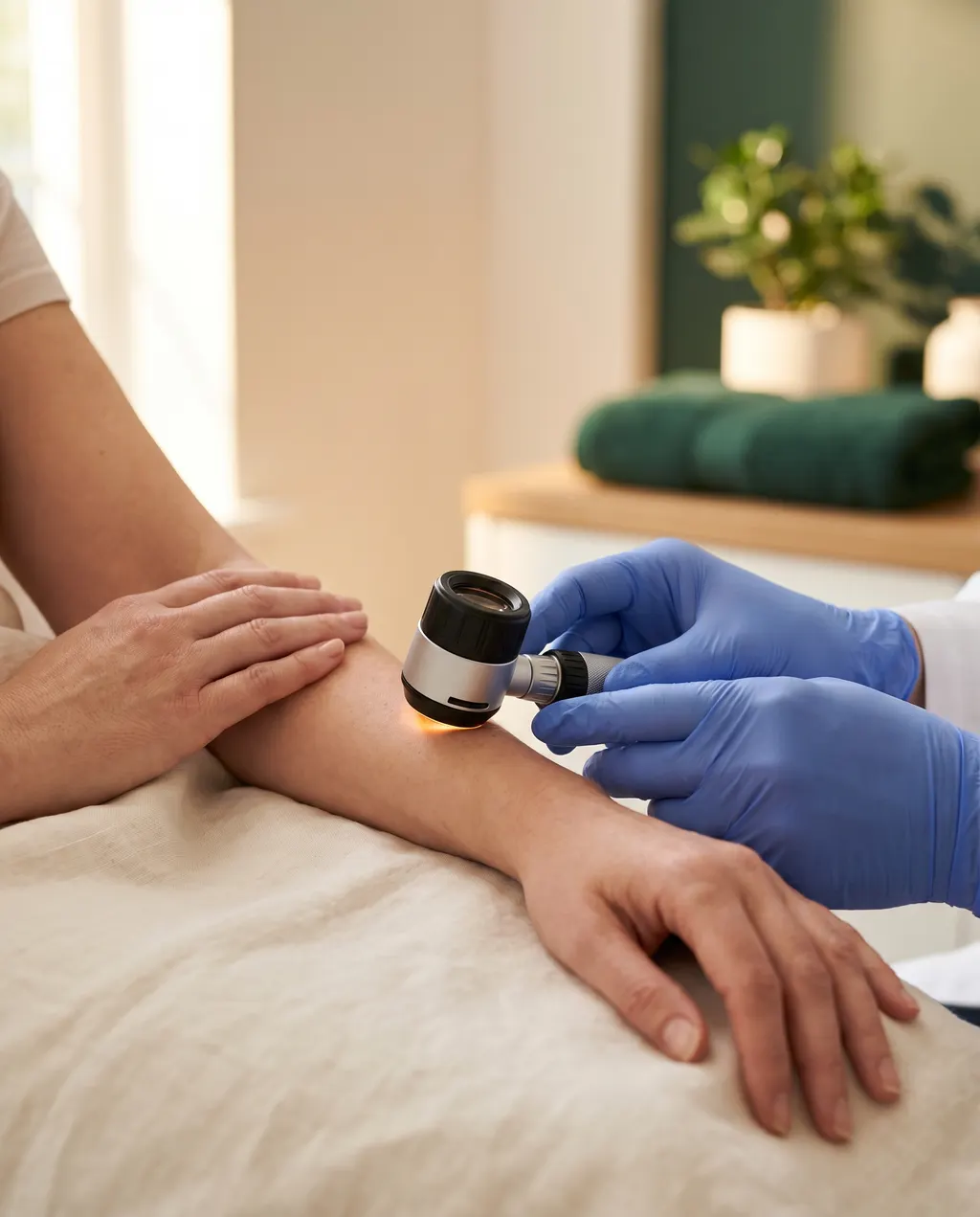
Mole — clinical reference image.

What Are Moles?

Moles, medically known as nevi, are clusters of pigmented cells that appear as small spots on the skin. They can occur anywhere on the body and are typically brown, black, or flesh-colored.

Key Facts About Moles
- Most moles are benign (non-cancerous).
- Moles can be flat or raised and vary in size.
- Some moles change over time, which can indicate potential health risks.

Types of Moles:

1. Congenital Moles – Present at birth and vary in size.

2. Acquired Moles – Develop later in life, often due to sun exposure.

3. Atypical Moles (Dysplastic Nevi) – Larger and irregular in shape, with a higher risk of becoming cancerous.

Read more on Moles by the NHS.

Why Remove Moles?

Moles are often removed for the following reasons:
- Cosmetic Concerns: Visible moles, especially on the face or neck, may affect confidence.
- Physical Discomfort: Moles that rub against clothing or jewelry can cause irritation.
- Health Concerns: A mole that changes in size, shape, or color may indicate melanoma, a serious form of skin cancer.

If a mole shows unusual characteristics, it’s important to consult a specialist for a professional evaluation.

Signs a Mole May Require Medical Attention

Use the ABCDE method to assess moles:
- A – Asymmetry: One half of the mole doesn’t match the other.
- B – Border: Irregular, blurry, or jagged edges.
- C – Color: Uneven coloring, including black, brown, red, or white patches.
- D – Diameter: Larger than 6mm (about the size of a pencil eraser).
- E – Evolving: Changes in size, shape, color, or symptoms such as itching or bleeding.

Mole — clinical reference image.

How to Prepare for Mole Removal

Your consultation will involve an assessment of the mole’s characteristics and a discussion of the best removal method.

Before the procedure:
- Avoid excessive sun exposure on the area.
- Inform your specialist of any medications you’re taking.
- Follow any specific instructions provided during the consultation.

Does Mole Removal Require Pathology Testing?

In some cases, the removed mole is sent for pathology testing to confirm whether it is benign.
- When It’s Needed: If the mole has irregular features, has changed over time, or is suspected of being cancerous.
- Why It’s Important: Pathology testing provides a definitive diagnosis, offering peace of mind and ensuring appropriate care if needed.

Mole — clinical reference image.

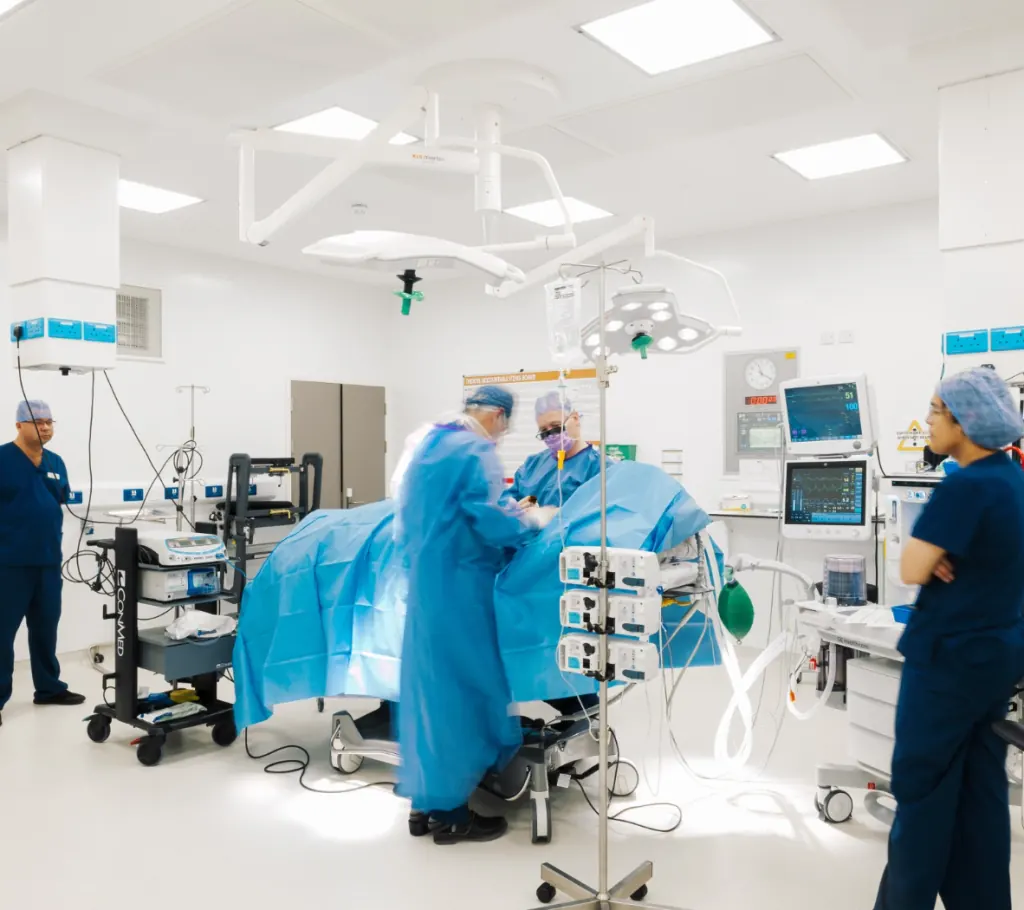
What to Expect During a Mole Removal Procedure

1. Local Anesthetic: The area around the mole is numbed to ensure a painless procedure.

2. Removal Process: The mole is removed using the agreed method (shave excision or surgical excision)

3. Closure (if applicable): Stitches may be used for deeper removals.

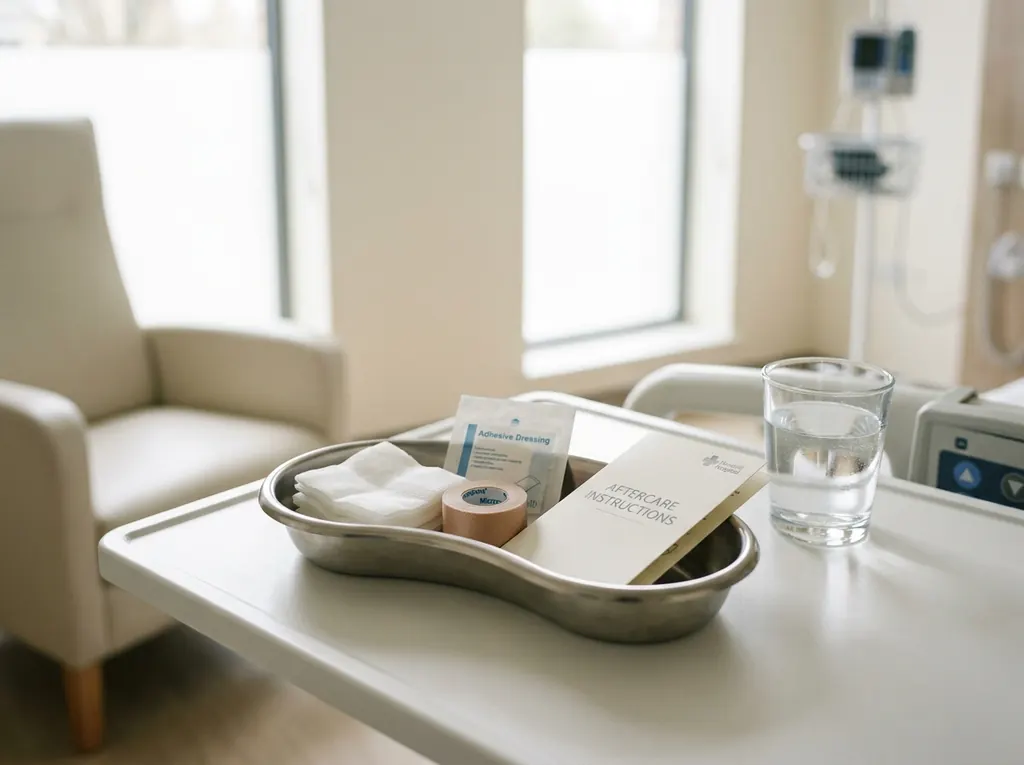
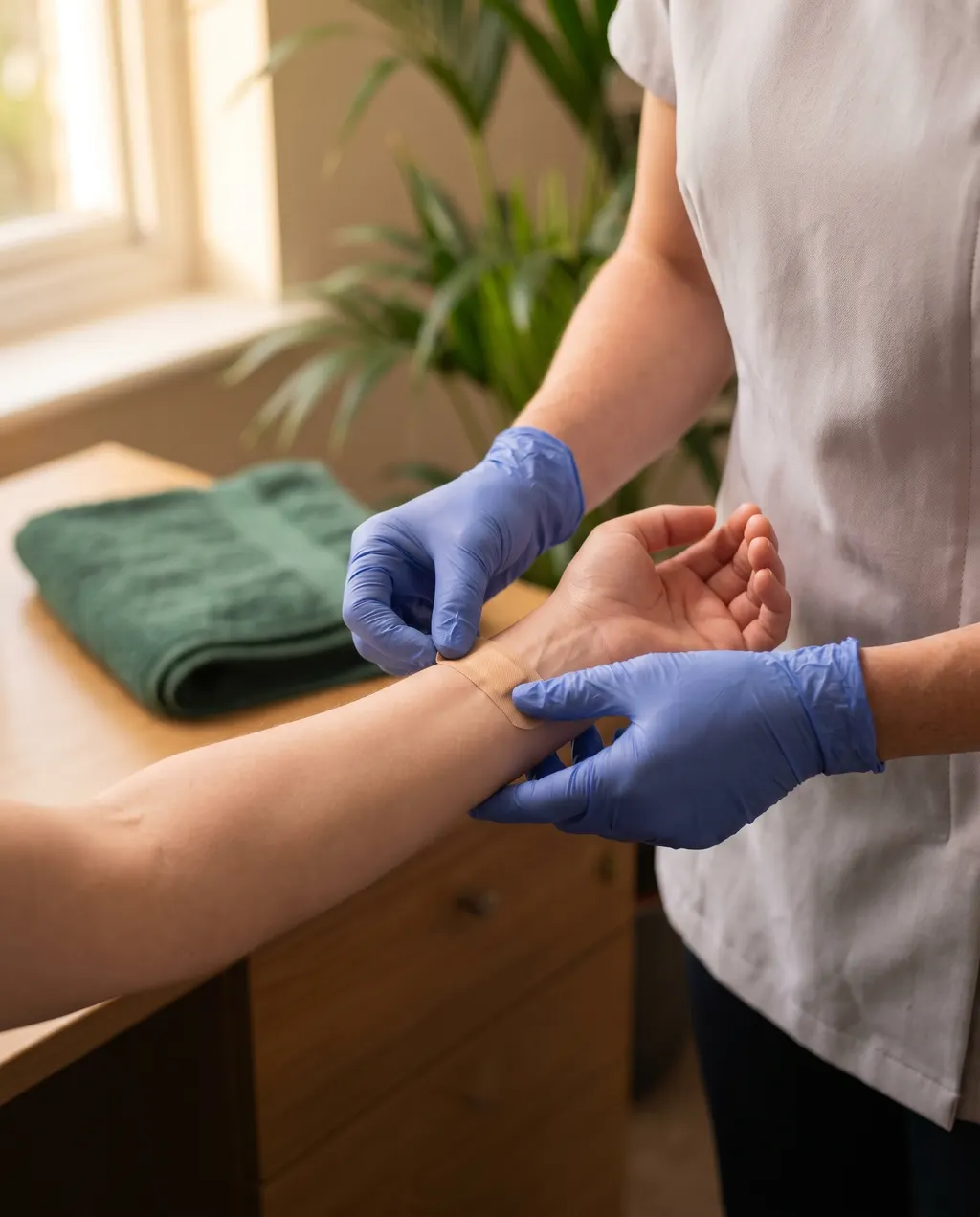
4. Dressings: The area is dressed to protect against infection.

The entire process is typically completed in under 30 minutes.

Mole — clinical reference image.

How Much Does Mole Removal Cost?

The cost of mole removal depends on the method and complexity of the procedure.
- Prices Start From: £595.
- Consultation Fee: £125.

This includes an expert evaluation, the removal procedure, and aftercare.

Where Can I Have My Mole Removed?

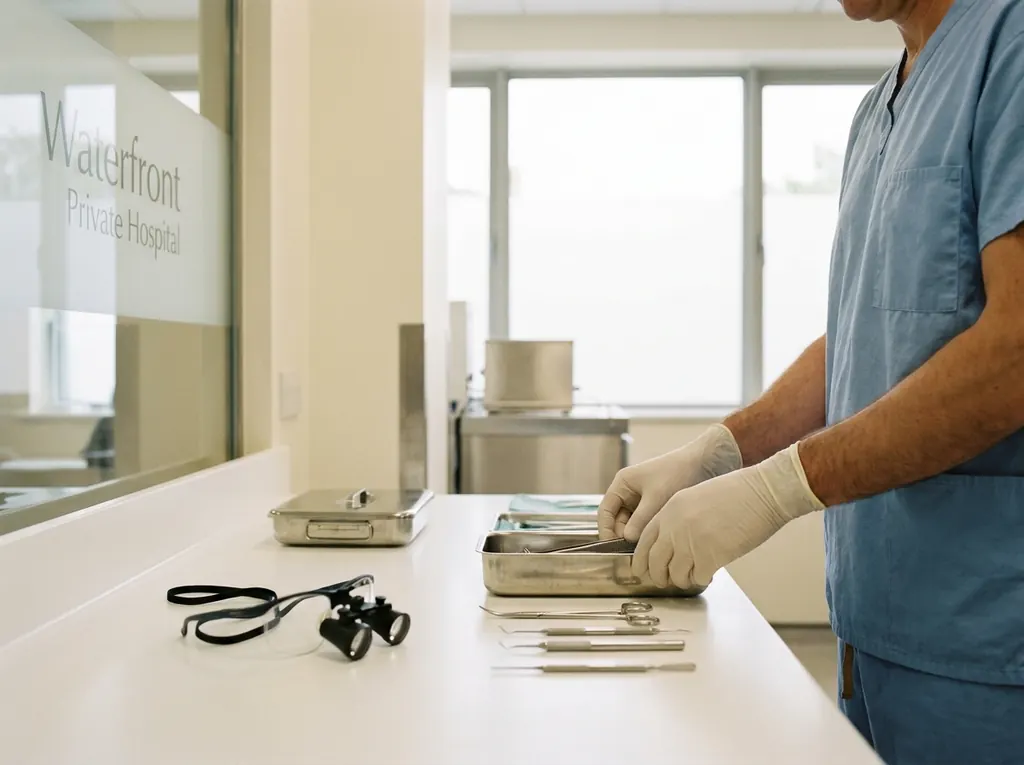
Consultations and procedures take place at the Waterfront Private Hospital in Edinburgh, a state-of-the-art facility designed to provide the highest level of care. With a relaxing atmosphere, easy parking, and a discreet environment, we ensure optimal comfort and privacy for our patients.

We offer expert care to patients across Scotland, including:
- Edinburgh
- Glasgow
- Fife
- Dundee & Perth
- Scottish Borders
- Stirling & Falkirk

Mole — clinical reference image.
Treatment options

Mole Removal Options

Shave Excision

Benefits. Minimal scarring, quick procedure, no stitches required.

Ideal for. Non-cancerous moles that are raised and do not penetrate deeply into the skin.

Full Surgical Excision

Benefits. Ensures complete removal, making it suitable for moles with potential health concerns.

Ideal for. Deep moles or those with irregular features requiring a biopsy.

Laser Mole Removal

Benefits. Non-invasive, no stitches, and minimal downtime.

Ideal for. Small, flat, and pigmented moles.

Cryotherapy

Benefits. Quick and effective for small lesions.

Ideal for. Superficial, non-cancerous moles.

When to Consult a Specialist

While over-the-counter products and home remedies for mole removal may be tempting, they can be ineffective or even dangerous. You should always consult a qualified healthcare provider, especially if your mole:
- Changes in size, shape, or color.
- Becomes itchy, painful, or starts bleeding.
- Has uneven edges or multiple colors.

Frequently asked

Frequently Asked Questions: Mole Removal

Q&A

01 What is mole removal surgery?

Mole removal surgery is a medical procedure that targets the removal of moles which are unsightly, irritating, or could potentially be precancerous. It generally involves either shaving the mole off or fully excising it, sometimes requiring sutures afterward.

02 How to remove moles?

Two primary techniques are employed for mole removal: - **Shave Excision:** This method involves carefully shaving the mole off from the surface of the skin. - **Full Excision:** In this approach, the mole along with a margin of surrounding skin is completely removed and the area is sutured.

03 How much is mole removal?

The cost of mole removal depends on the method used and whether additional analysis is required: - **Shave Removal**: £595 – This technique is suitable for raised moles and involves shaving the mole down to skin level. - **Full Excision**: £795 – This method is recommended for larger or deeper moles and includes surgical removal with a small margin of healthy skin. During your consultation, our plastic surgeon will assess your mole and discuss the most appropriate treatment option, along with a full breakdown of costs.

04 What are the potential risks of mole removal?

Risks associated with mole removal are minimal but can include scarring, infection, or an allergic reaction to anesthesia. Medical teams take extensive precautions to minimize these risks.

05 Will there be scarring post-mole removal?

Scarring varies based on the mole’s size, location, and the method used for its removal. Plastic surgeons aim to achieve the best possible cosmetic outcomes, especially in sensitive areas and give advice on how to minimise scarring after your treatment.

06 How long does the mole removal procedure take?

This procedure typically lasts less than 30 minutes and is usually performed at the same time as your consultation if you so wish.

07 Is mole removal painful?

Local anaesthesia is applied to the area around the mole to ensure the surgery is painless.

08 What is the recovery time after mole removal?

Patients can usually return to their daily activities immediately after the procedure, although those with larger or more sensitively located moles may need to rest for a few days.

09 When should I consider mole removal?

Moles that change in size, shape, or color, or that cause bleeding, itching, or pain should be evaluated by a professional. Cosmetic removal is also an option.

10 How is the mole analysed after removal?

Moles are typically sent for histological analysis if there is any concern about cancer, to help determine the appropriate follow-up treatment if necessary.

11 How do I choose between shave removal and full removal?

The decision between shave excision and full excision usually depends on the mole’s characteristics and your personal cosmetic concerns. Protruding moles usually are suited best to shave excision. We will discuss the best option during a consultation.

12 What should I expect in terms of aftercare and healing?

Post-operative care involves keeping the area clean and dry and applying any prescribed ointments we give you. Healing time varies by the location of the wound but usually occurs within 14 days. We will arrange any necessary follow up as part of your package.

13 Can moles regrow after removal?

There is a small chance of a mole regrowing, especially if not all the mole cells were removed during surgery. Complete removal minimises this risk.
Why us

Highlights

Quick Access to Expert Care

Consultations at the Waterfront Private Hospital with no long waits.

Single-Visit Mole Removal

Same-day mole assessment and removal in a comfortable, single 45-minute appointment.

Cosmetic Surgical Techniques

Experienced plastic surgeon, dedicated to achieving excellent cosmetic outcomes.

Clear and Inclusive Pricing

Includes aftercare. Make an enquiry to receive a tailored treatment plan and price.

Exterior of the Skin Surgeons Edinburgh hospital building
Get in touch

Contact us today to
book your appointment.

However you would like to get in touch — phone, email, or our enquiry form — one of our team will respond within two working days.

Address
1 Waterfront Park
Edinburgh EH5 1SD
Hours
Mon–Fri · 08:00–18:00
Sat · 09:00–13:00
Reception
Step-free entry
Patient parking on site
Skin Surgeons · Edinburgh Open in Google Maps